


Audi Q5 / A6 / A7 3.0L TDI Buyer's Guide: What to Know Before You Buy

The 2014–2016 Audi Q5, A6, and A7 with the 3.0L V6 TDI are some of the most capable used diesel vehicles available in Canada right now. Strong torque, reasonable fuel economy, a refined driving experience, and prices that have come down to genuinely accessible territory. But the platform has known failure points serious enough to factor heavily into your buying decision — understanding them up front is the difference between a great buy and an expensive headache.
This guide covers what to look for, what to avoid, what the failure costs actually look like, and what modifications make sense once you own one.
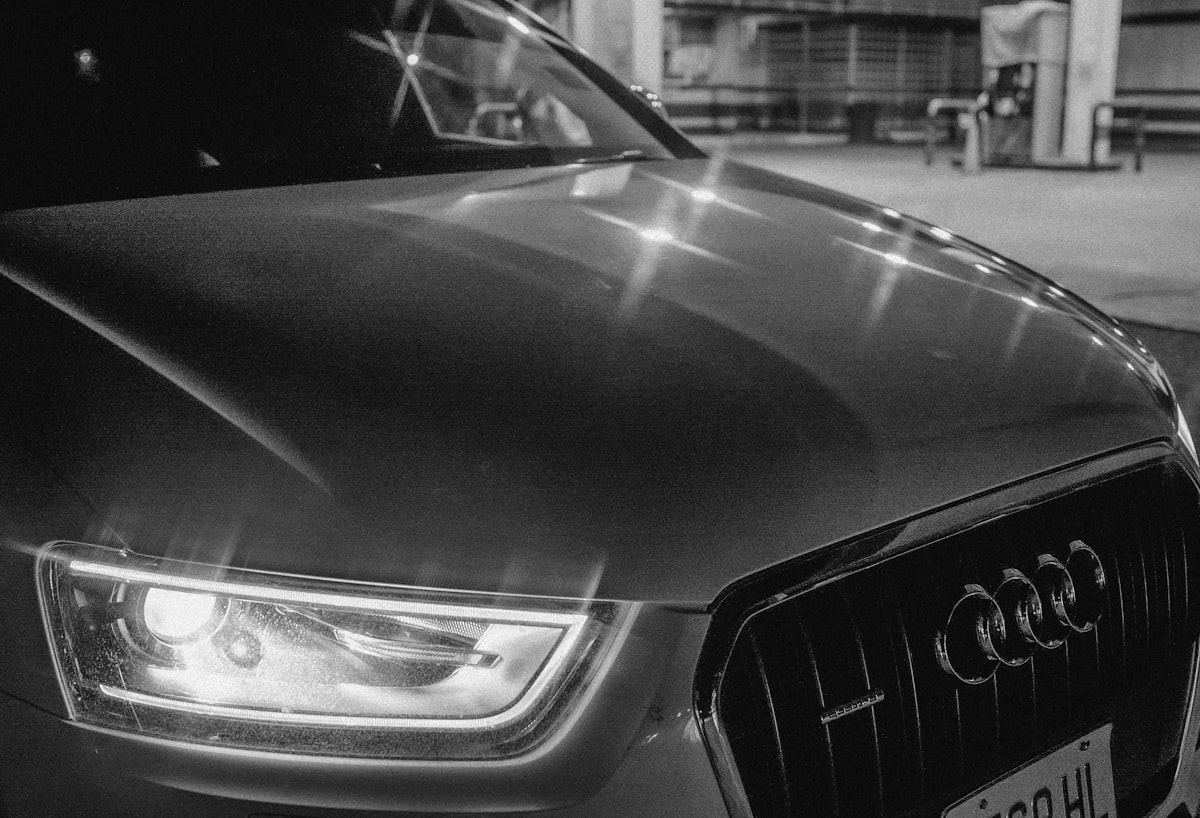
The Basics: What You Are Looking At
The 3.0L V6 TDI used in the 2014–2016 Q5, A6, and A7 North American market vehicles uses the CGQB engine code. This is the single-turbo variant with the AdBlue/DEF selective catalytic reduction system — a key distinction from the earlier non-AdBlue cars and from the European bi-turbo variants that share the 3.0 TDI name but are mechanically different.
Stock output is 240 hp and 428 lb-ft of torque. The transmission is the 8-speed ZF automatic. Quattro all-wheel drive is standard. These are legitimately pleasant vehicles to drive — quiet, composed, and with torque delivery that feels effortless in daily use.
Used pricing in Canada as of 2026 typically runs $18,000–$32,000 CAD depending on mileage, trim, and condition. The A6 and A7 tend to carry a slight premium over the Q5 for equivalent years and mileage.
Engine Codes to Know
| Code | Vehicles | Years | Notes |
|---|---|---|---|
| CGQB | Q5, A6, A7 (NA spec) | 2014–2016 | Single turbo, AdBlue/SCR equipped. This is the one covered in this guide. |
| CPNB | Q7, Touareg (NA spec) | 2013–2016 | Different platform, different exhaust layout. |
| CGKA/CGKB | EU market A6/A7 | 2011–2014 | EU spec, no AdBlue, different aftertreatment. |
Confirm your engine code before purchasing. It is stamped on the engine block and readable via OBD diagnostics. Everything in this guide applies specifically to the CGQB.
The Aftertreatment System: The Most Important Thing to Understand
The CGQB has a three-stage exhaust aftertreatment system: a diesel particulate filter (DPF), a selective catalytic reduction (SCR) housing with AdBlue injection, and a secondary catalytic converter. All three are inline, all three are expensive to replace OEM, and all three fail on high-mileage examples.
Dealer replacement costs if any of them fail:
- DPF (OEM: 4H0254750FX) — $2,800–$3,800 CAD installed
- SCR/DEF midpipe (OEM: 4G0253350C) — $1,800–$2,400 CAD installed
- Secondary catalytic converter (OEM: 4G0254400BX) — $1,200–$1,800 CAD installed
- AdBlue system components (injector, pump, lines) — $800–$2,000 CAD depending on what fails
A full aftertreatment system failure on a car you just bought is a $6,000–$10,000 CAD repair before you have driven it 5,000 km. This is not a hypothetical. It is a known progression above 150,000 km, and sometimes significantly earlier if the vehicle spent time in short-trip city duty.
What to check before buying: Pull fault codes with VCDS or OBDeleven (not a generic OBD reader). Look specifically for DPF pressure differential faults, SCR efficiency codes, AdBlue quality or flow faults, and NOX sensor failures. Any of these are either negotiating leverage or a reason to walk away.

The EGR System: The Other Known Problem
The exhaust gas recirculation system on the 3.0L TDI is a separate failure mode from the DPF/SCR stack. The EGR cooler circulates coolant through a heat exchanger to cool exhaust gases before they re-enter the intake. When the cooler fails — and it does, especially above 120,000 km — coolant enters the intake manifold.
Early signs include white smoke on startup, coolant loss with no visible leak, and a sweet smell from the exhaust. Left unaddressed, coolant in the combustion chamber causes serious engine damage. This is the failure the platform is most notorious for.
An EGR cooler replacement at a dealer runs $2,000–$3,500 CAD installed. The job requires pulling the intake manifold, which is why the valley reseal — replacing all the intake and coolant seals while you are in there — is standard practice alongside it.
What to check before buying: Look at the coolant reservoir. Milky or oily coolant is a red flag. Check for white residue or oil film in the intake if you can get a look. Ask about coolant consumption history.
Other Things Worth Knowing
Timing chain: The 3.0L V6 TDI uses a timing chain, not a belt. No scheduled replacement interval, but worn tensioners and guides have been documented on higher-mileage examples. Listen for chain rattle on cold start.
Injectors: Typically last 200,000+ km with good fuel quality and oil maintenance. Failed injectors cause misfires and rough running. Replacements run $400–$600 CAD each installed.
Turbocharger: Generally reliable. Oil starvation from extended oil change intervals is the primary failure cause. Variable vane actuators can stick. Listen for boost lag, unusual noises, or smoke under load.
8-speed ZF transmission: Generally reliable. A transmission fluid change at 60,000–80,000 km is the correct service interval regardless of what the service book says. Verify it was done.
What to Pay and How to Negotiate
The aftertreatment system is your primary negotiating lever. A vehicle with any active DPF, SCR, or AdBlue fault codes is worth $3,000–$6,000 CAD less than a clean example at the same mileage, because that is what the repair costs. Do not pay retail for a car with pending emissions faults.
The sweet spot for value is a 2015–2016 example with 100,000–140,000 km, clean fault codes, documented oil service history, and ideally some record of EGR inspection or service. Below 100,000 km you pay more; above 160,000 km you are taking on more risk unless the aftertreatment work has already been done.
The Modification Path
If you are buying one of these knowing the aftertreatment system is a liability, the logical path is to address it permanently rather than keep repairing factory components. The sequence most owners follow:
- Valley reseal — do this any time the intake manifold comes off regardless. The seal kit covers every critical oil, coolant, and intake seal. Cheap insurance on a job you do not want to do twice.
- EGR delete — removes the cooler from the coolant circuit and blocks EGR gas flow. Eliminates the coolant ingestion failure mode permanently.
- DPF + SCR delete — removes the entire aftertreatment stack. No more DPF regen cycles, SCR failures, or AdBlue system maintenance.
- ECU tune — required after deletes to clear fault codes and optimize fueling. Stage 1 on a CGQB typically delivers 270–290 hp and 490–510 lb-ft, up from 240 hp and 428 lb-ft stock.
Done together, these modifications cost significantly less than one round of OEM aftertreatment replacement, and you never deal with those systems again. For off-road and competition use only.
We carry the full range of parts for this modification path — valley reseal kit, EGR delete, DPF delete pipe, SCR midpipe, secondary cat delete, and ECU tunes. See our Diesel Performance collection for everything in one place.

Is It Worth Buying?
Yes — with eyes open. The 3.0L TDI is a genuinely capable platform and the used prices reflect the reputation risk, not the mechanical reality of a well-maintained example. Do your inspection properly, buy at the right price, and plan for the modification path. These are excellent vehicles at excellent value when approached correctly.
Questions about a specific car you are looking at, parts costs, or what to expect on a particular mileage range? Email bentley@valiosdynamics.com. We know this platform well.